Sustainability
Health and safety
Protecting the people involved in an activity, and those who may be affected by it.
What this covers
Our health and safety requirements apply to employees, contractors and visitors at every office and industrial asset we control or operate, and to the communities around an activity and anyone else who may be affected by it. They cover hazard identification and risk assessment, critical risk control, emergency preparedness and response, health surveillance, fitness for work, incident investigation and the safety management of contractors.
The governing principle is simple and is not qualified anywhere in the framework: work must not proceed where a hazard has not been assessed and controlled. We treat psychological safety and mental health within the same requirements as physical safety, and no person may be assigned to a task for which they are not fit for work.
Key facts
Governing principle
Work does not proceed where a hazard has not been assessed and controlled.
Operating standard
Our sites operate to the more demanding of the applicable safety regimes.
Psychological safety
We treat psychological safety within the same requirements as physical safety.
Certification
We hold no ISO 45001 certification; the standard is our structuring reference.
Compliance and standards
We comply with the occupational health and safety law that applies in each jurisdiction, and our Peruvian sites operate to the mining-sector safety requirements, the more demanding of the applicable regimes, including their dedicated requirements on tailings management.
Our arrangements are structured against ISO 45001 and ILO Convention No. 155, and emergency preparedness against the Sendai Framework for Disaster Risk Reduction. These are standards rather than binding law, and we hold no ISO 45001 certification.
Performance reporting
Where an activity generates them, injury frequency and severity rates, lost-time statistics and occupational illness rates are published. We report incidents and near misses, investigate them to root cause and close them out with recorded corrective actions, on a recording basis established so that performance information is consistent and comparable.
Raising concerns
Hazards, incidents and safety concerns may be reported through site reporting arrangements, to a supervisor, or through the confidential reporting channels. A concern that cannot be resolved locally, and any concern about a breach of policy, may be raised through those channels, and we do not tolerate retaliation against anyone who uses them. External parties may report concerns using the web reporting form.
The setting
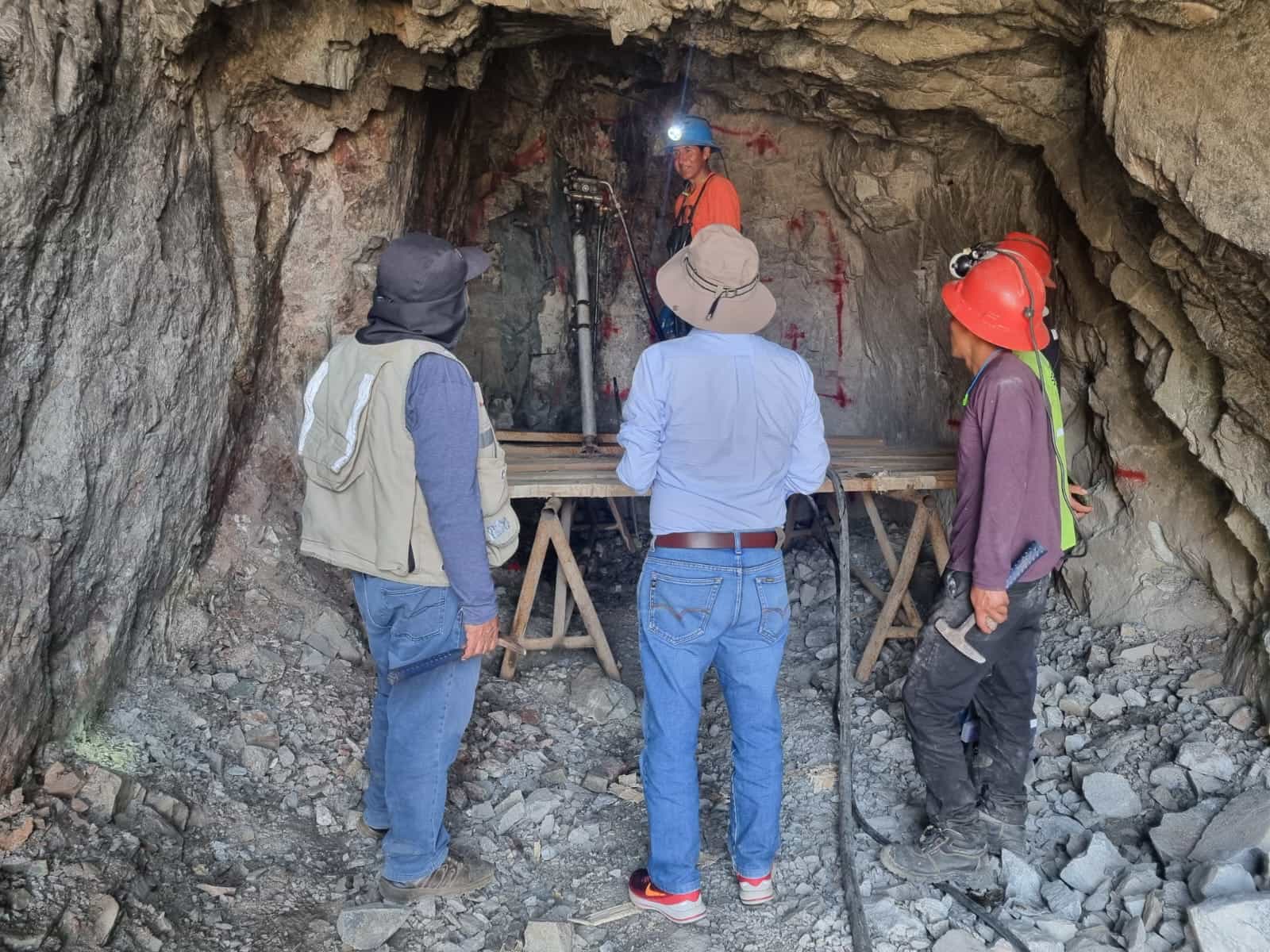
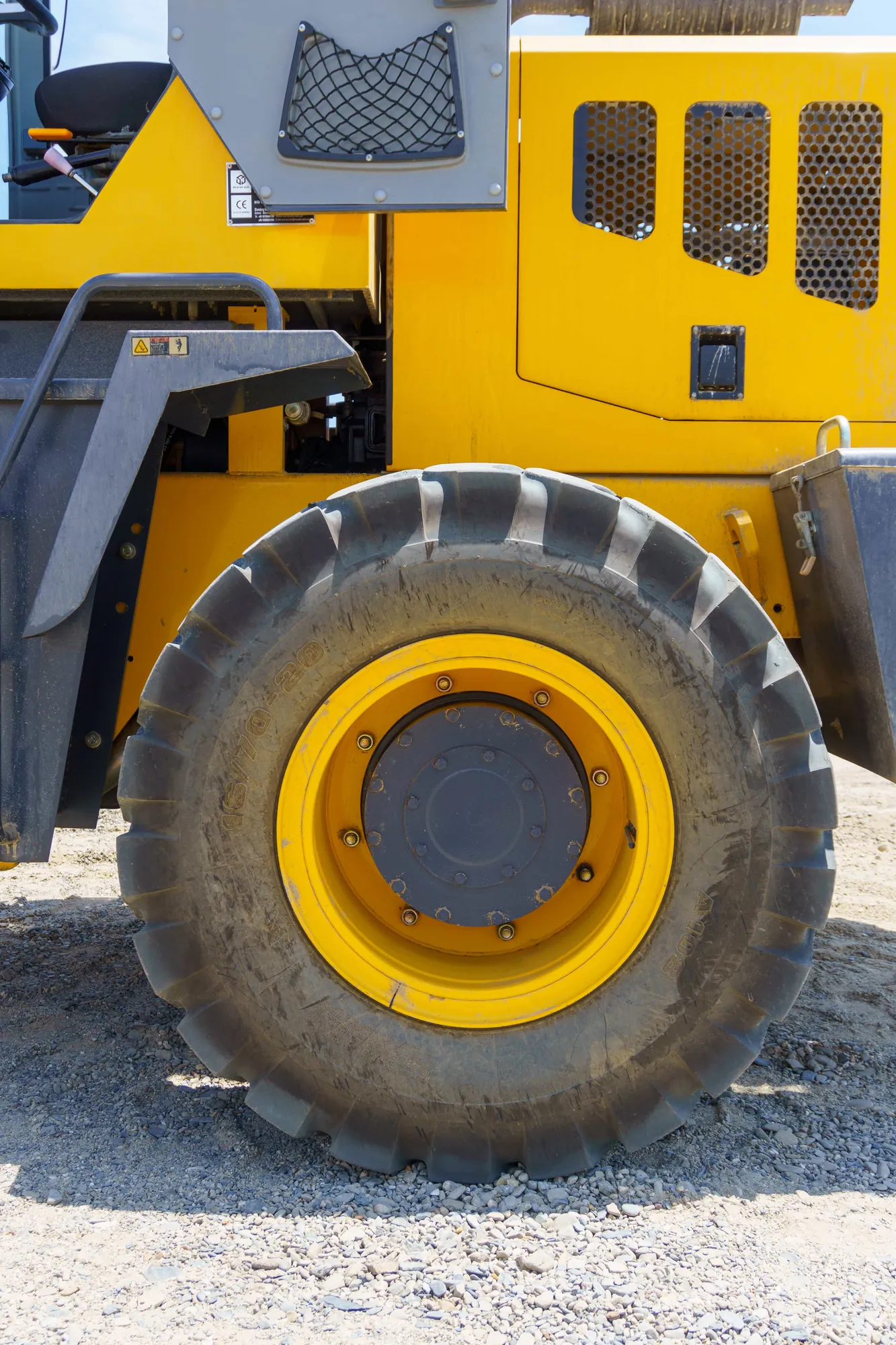
We work at altitude, in terrain where access is limited and weather changes quickly, and often at distance from hospital-grade medical care. That combination determines what our requirements have to address: acclimatisation and altitude-related illness; vehicle and access road exposure; ground conditions in surface and underground work; the storage and handling of fuels, reagents and explosives by the parties licensed to handle them; and the time it takes to reach definitive care, which is the figure that governs how we design emergency arrangements.
In this section


Raising a concern
Employees, suppliers, communities and any other party may raise a concern through the confidential reporting channels. We provide for anonymous reporting and prohibit retaliation against anyone who raises a concern in good faith.