
Sustainable development
We integrate sustainable development responsibilities into planning, operating decisions and management oversight across our business.
We consider people, the environment and communities in the way we manage our business
Sustainable development responsibilities are integrated into planning, operating decisions and management oversight.
Our policies establish expectations for Xstreco, our people, contractors and relevant business partners.
In brief
Applies to
Xstreco, our people, contractors and relevant business partners
Policy framework
Six policies covering the principal areas of sustainable development
Our approach
Our approach connects responsible conduct with the practical management of risks, impacts and stakeholder relationships.
Integrate
We consider safety, environmental, social and human-rights matters when planning and managing our activities.
Implement
Operating management applies our Group policies and relevant controls within the activities for which it is responsible.
Improve
Reporting, engagement and review help identify issues, assess performance and improve management practices over time.

Managing impacts through planning and oversight
Environmental and social considerations form part of the way we assess activities, identify risks and determine the controls required.
Group governanceAreas of focus
Our policies address the principal areas in which our activities may affect people, communities and the environment. The relevance and level of management attention required depend on the nature, location and stage of each activity.
Health, safety and emergency management
We seek to protect employees, contractors, visitors and others who may be affected by our activities. This includes identifying hazards, managing operational risks, preparing for emergencies, reporting incidents and applying corrective action.
Environment and climate
We consider water, biodiversity, energy, waste, emissions and climate-related risks in planning and operating decisions. Environmental controls and monitoring are adapted to the activities and impacts concerned.
Human rights and Indigenous rights
We expect our activities and business relationships to respect human dignity and internationally recognised human rights. We engage with communities and Indigenous Peoples where relevant and provide channels through which concerns may be raised.
Communities and social performance
We seek constructive relationships with communities through early engagement, accessible communication and appropriate grievance processes. Local employment, procurement and community priorities are considered where relevant to the activity.
People, equality and inclusion
We expect people to be treated fairly and with respect. Discrimination, harassment and retaliation are not accepted, and employment decisions should be based on role requirements, capability and merit.
Responsible sourcing
Social, ethical, environmental and compliance considerations form part of supplier selection and management. Higher-risk suppliers and supply-chain relationships may require additional due diligence, monitoring or corrective action.
Implemented through operations
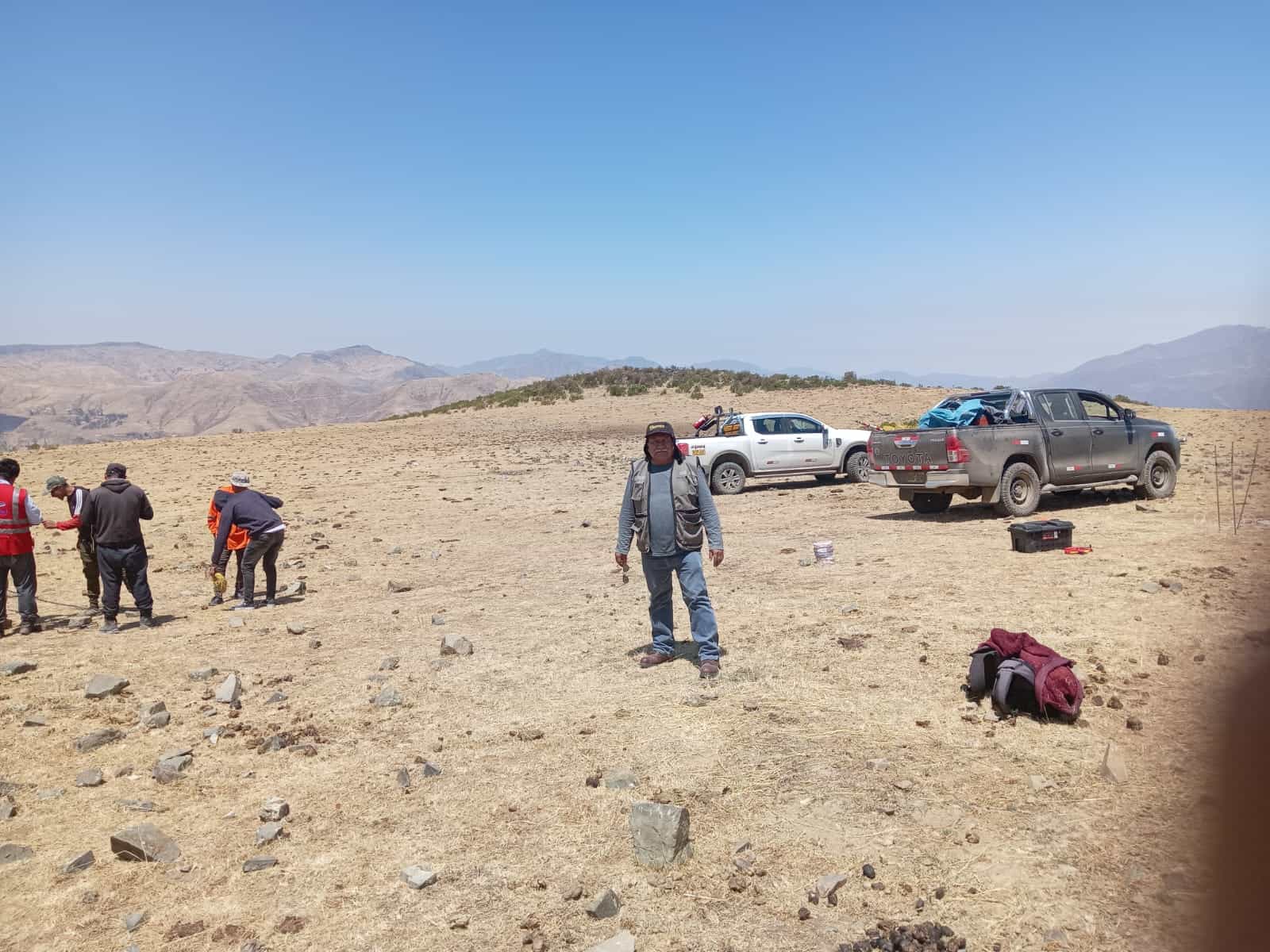
We apply our policies through our people and operating entities responsible for planning, procurement, site management and stakeholder engagement.
Key policiesGovernance and responsibilities
Board and Executive Management oversight is supported by defined management and operating responsibilities. Responsibilities are allocated according to the subject concerned and the nature of the relevant activity.
Board and Executive Management
Operating management
Assigned responsibilities
Employees and contractors
Reporting and escalation
Sustainable development in practice
Our management approach follows a practical cycle of assessment, implementation, monitoring and improvement.
Identify
Assess
Plan
Implement
Monitor
Improve
Policy framework
Our policies establish requirements and guidance across the principal areas of sustainable development.
Health, Safety and Emergency Management Policy
Sets expectations for hazard management, incident reporting, emergency preparedness and contractor safety.
Environmental Sustainability Policy
Addresses environmental risk, water, biodiversity, waste, emissions, energy and operational controls.
Human Rights and Indigenous Rights Policy
Establishes expectations for human-rights due diligence, Indigenous rights, non-discrimination and grievance mechanisms.
Social Performance and Community Engagement Policy
Provides guidance on stakeholder engagement, social-risk assessment, grievances, local participation and community relationships.
Equality, Diversity and Inclusion Policy
Defines expectations for fair treatment, inclusive employment practices, accessibility and a workplace free from discrimination and harassment.
Responsible Sourcing and Supply Chain Policy
Sets expectations for supplier due diligence, risk classification, corrective action and responsible procurement.
Insights
Group governance
How our Board and Executive Management oversee our direction, performance, compliance and principal decisions.

Key policies
Policies covering ethics, compliance, safety, human rights, environmental management and other principal areas of responsibility.
.avif)
Group structure
How we are organised and responsibilities are allocated across our entities.
Information that supports better decisions
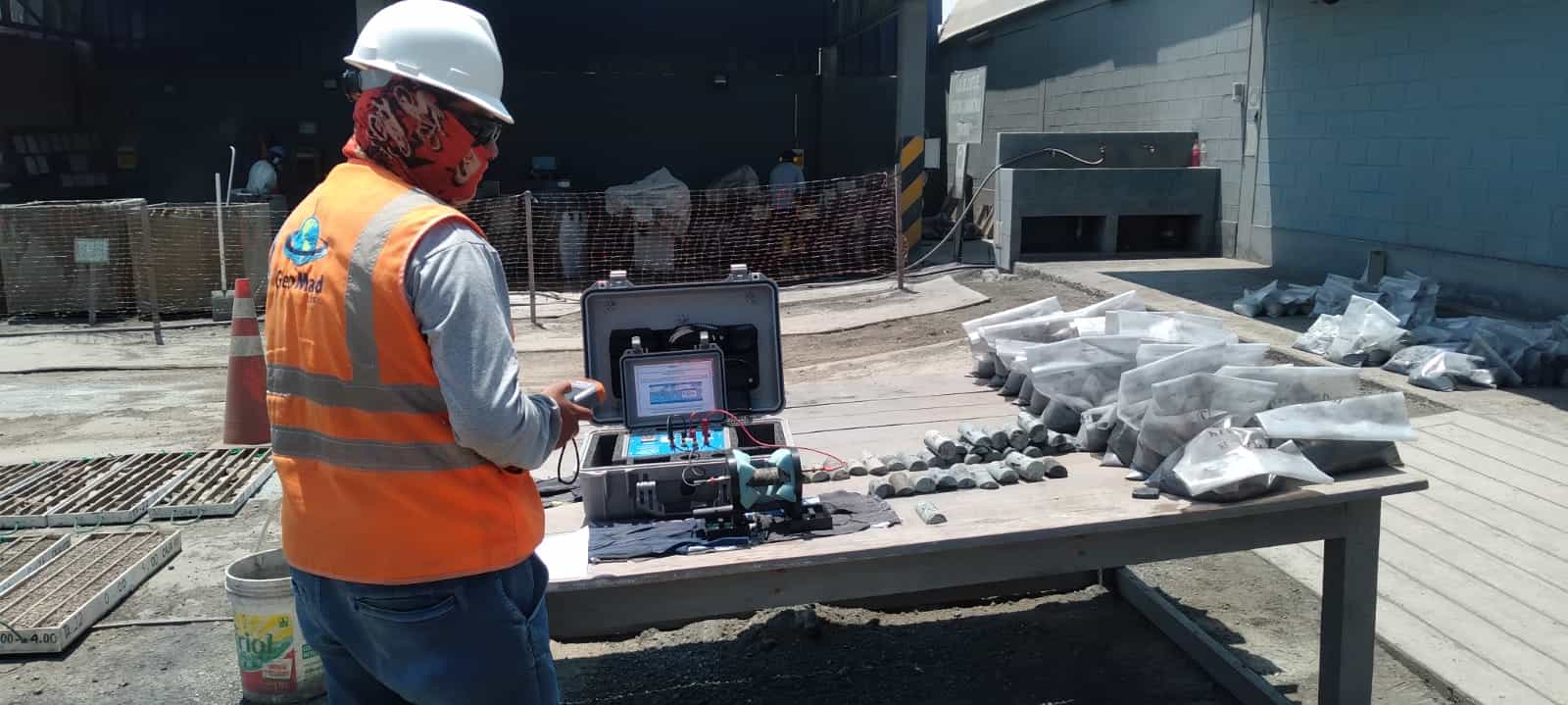
Operational information, incident reporting, stakeholder feedback and compliance reviews help us understand performance and determine where further action is required.