Environment
Biodiversity stewardship
Where an activity affects habitats or species, we assess the effect and apply the mitigation hierarchy in order.
The requirement
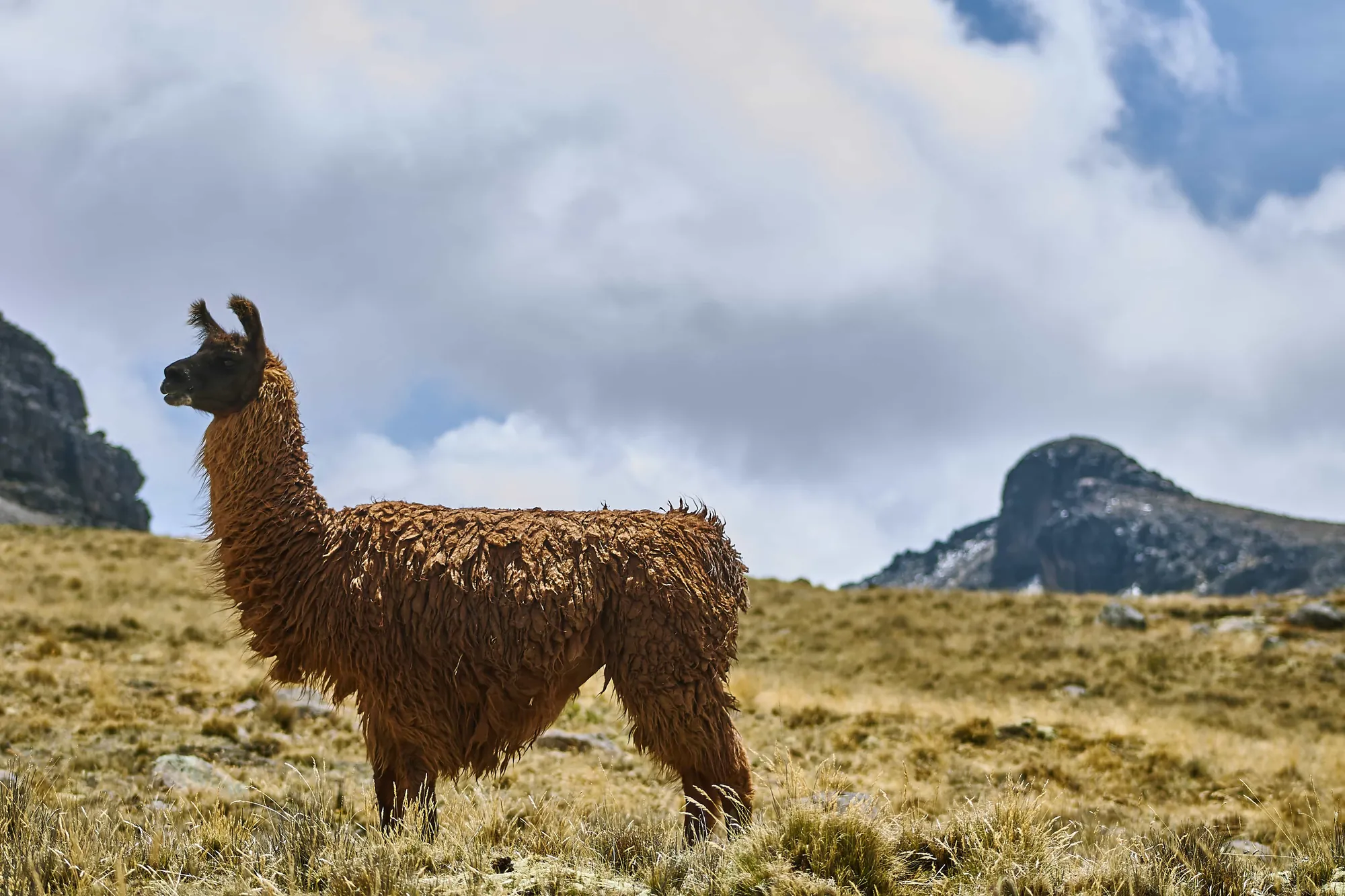
Where an activity affects habitats or species, we assess the effect and apply the mitigation hierarchy. We do not operate in legally designated protected areas or World Heritage Sites. Proximity to protected areas, primary forest, water bodies and glaciers is among the factors that determine which Peruvian environmental instrument applies to an activity, so biodiversity sensitivity affects the authorisation route as well as the controls.
Baseline assessment
Effect cannot be assessed without a baseline, and a baseline established after disturbance is not a baseline. We characterise flora, fauna and habitat before an activity proceeds, at a level of detail proportionate to the sensitivity of the setting and the scale of the work. Seasonality matters: a single survey conducted in one season will miss migratory and seasonal species, and we require the survey design to account for that rather than treating a single visit as sufficient.
Key facts
Baseline
A baseline established after disturbance is not a baseline.
Survey design
Survey design must account for seasonality; a single visit is not sufficient.
Recovery rates
High-altitude ecosystems recover slowly, which makes avoidance disproportionately valuable.
Access design
We treat access design as a biodiversity control, including at closure.
Avoidance is disproportionately valuable
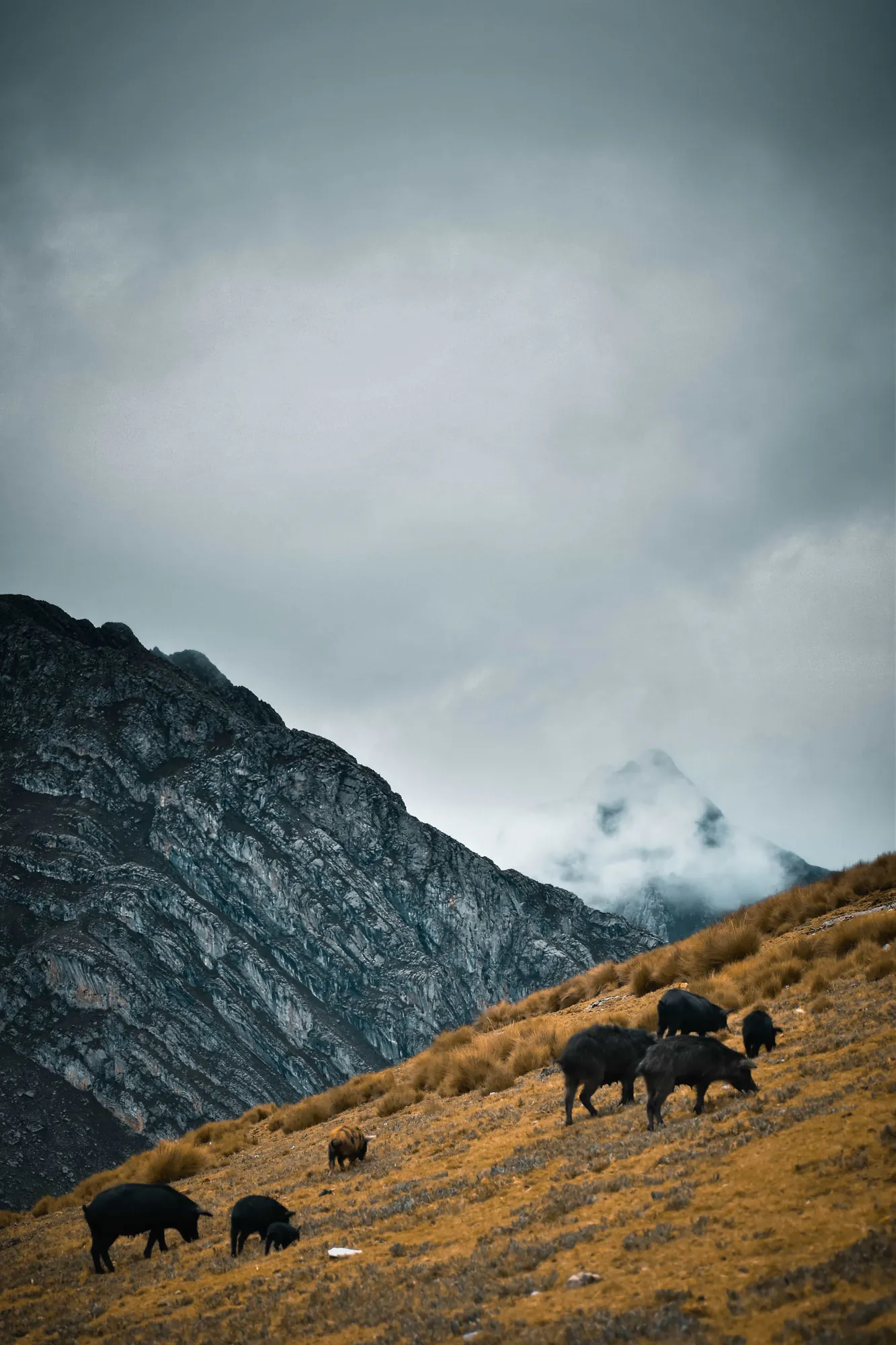
High-altitude Andean ecosystems recover slowly. Growing seasons are short, soils are thin, and vegetation communities that appear sparse are frequently specialised and slow to re-establish.
Our approachThe mitigation hierarchy
The order is not a preference. An offset is not an alternative to avoidance.
The high-altitude setting
Wetland systems at altitude are hydrologically connected over distances that are not obvious from the surface, and they support both biodiversity and pastoral livelihoods, which is why an effect on them is simultaneously an environmental and a social matter.
Two consequences follow, and both are built into our requirements. Avoidance is disproportionately valuable, because restoration is slow and uncertain in this setting. And we assess restoration over years rather than seasons, with monitoring of establishment rather than a single completion sign-off.
Invasive species and access
Access is itself an effect. A new road introduces vehicles, people and material into an area that previously had none, and with them the vectors for invasive species and for third-party land use that we do not control. We accordingly treat access design as a biodiversity control: using existing routes where they exist, limiting new access to what the work requires, controlling material and equipment movement to limit the introduction of species, and addressing access in closure planning so that a route is not left behind by default.
Cultural and natural heritage
We identify sites, practices and traditions of cultural significance through baseline assessment and mapping, avoid or mitigate them in planning, and protect them in operation. Where work uncovers a previously unrecorded site, work stops, we secure the area and we notify the competent authorities and community representatives. The reference standards are Performance Standard 8 of the IFC Performance Standards and the UNESCO World Heritage Convention as implemented by the states in which we operate.
Reporting
Where an activity generates them, land disturbed and rehabilitated, species records and habitat condition indicators are published. We maintain baseline and monitoring records under the commitments carried by the applicable environmental instrument, so that reporting rests on a consistent basis.