Communities
Corporate social involvement
Community investment directed to priorities identified with the community concerned, and governed so that it survives the person who started it.
What community investment is for
Community investment is voluntary expenditure directed at social outcomes in the localities around our activities. It is not compensation, it is not a substitute for mitigating an impact, and it is not a mechanism for obtaining agreement. Each of those confusions is common in the industry and each produces a predictable failure, so we separate them explicitly.
Key facts
What it is not
Community investment is not compensation, not mitigation, not an inducement and not a substitute for a public service.
Priorities
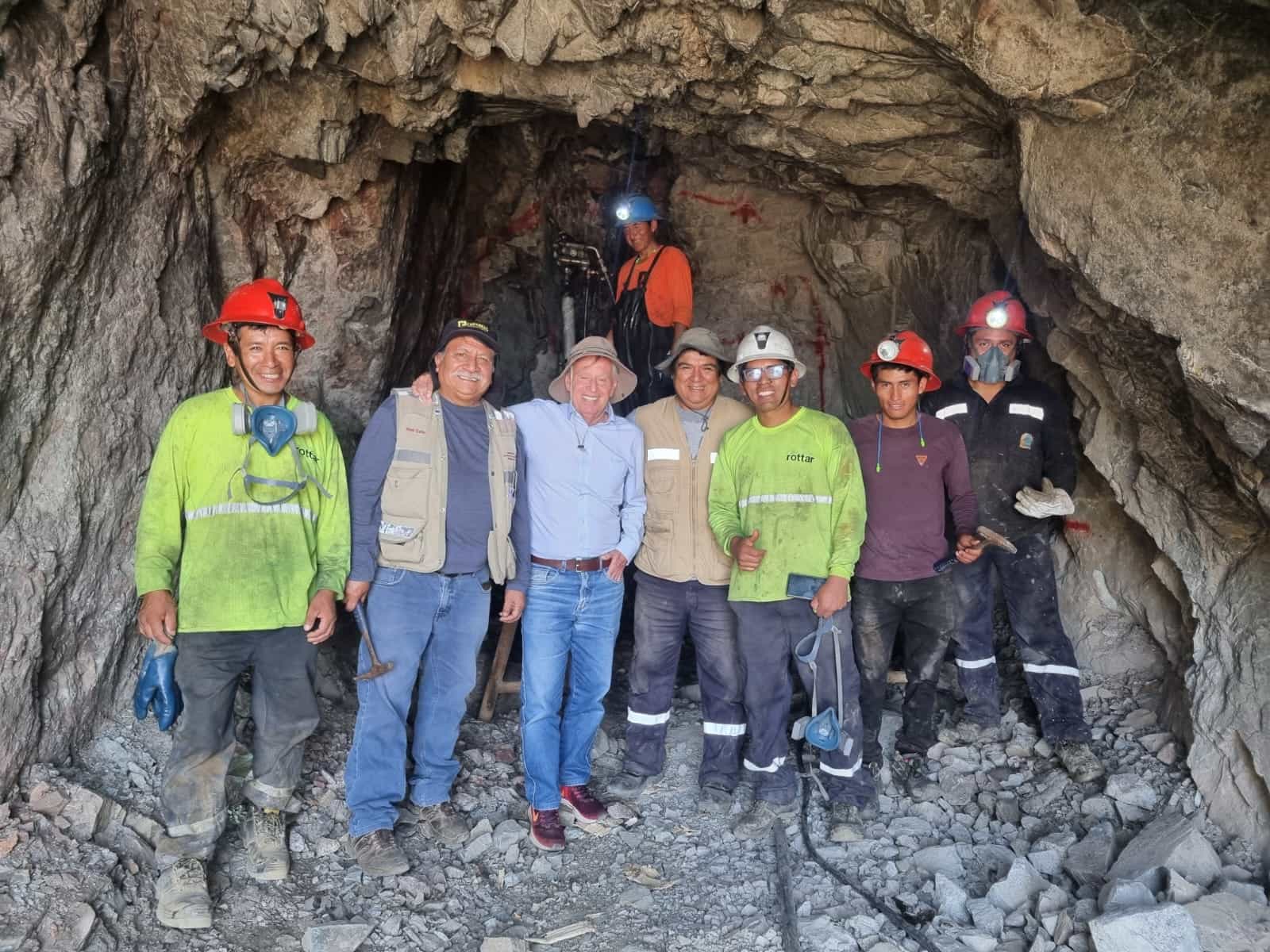
We identify priorities with the community, not for it.
Handover
Operation and maintenance after handover are settled before a project starts.
Screening
We screen recipients under our anti-corruption, anti-money laundering and sanctions policies.
What it is not
How priorities are identified
We identify priorities with the community concerned rather than selecting them for it. Engagement establishes what the community regards as its priorities, and we direct investment at those priorities within the constraints of what we are able to do. Where we cannot support a priority, we say so and give the reason.
Priorities identified through engagement commonly concern water, health, education, roads and connectivity, agricultural and pastoral productivity, and climate adaptation and resilience. The framework does not prescribe categories, because prescribing categories centrally reproduces the failure it is designed to avoid.
How projects are governed
Sustainability of projects
The characteristic failure of community investment is the project that works while it is supported and stops when support ends: the building with no maintenance budget, the water system with nobody trained to repair it, the programme that depended on one person. We therefore settle operation, maintenance and ownership after handover before a project starts, and treat a project that cannot answer that question as one that is not ready rather than one that is urgent.
Integrity requirements
Community investment involves payments to organisations in localities where we also require authorisations and access, which is precisely the configuration in which corruption risk arises. We subject recipients to due diligence and screening. We do not direct investment to an organisation connected with a public official able to influence a decision affecting us, and we record any such connection identified and escalate the decision. Our Conflict of Interest Policy and Anti-Corruption and Bribery Policy apply to community investment as they do to any other expenditure.
Employee involvement
Where employees take part in community activity, participation is voluntary and we conduct it under the same conduct standards as any other activity carried out on our behalf, including the health and safety requirements applying to the work involved.
Reporting
Community investment is reported in accordance with the applicable reporting requirements. We record projects, commitments, due diligence outcomes and evaluations, so that reporting rests on a consistent basis. We evaluate against outcome rather than expenditure, so a spend figure is not in any event the measure we treat as meaningful.
Raising a concern
Employees, suppliers, communities and any other party may raise a concern through the confidential reporting channels. We provide for anonymous reporting and prohibit retaliation against anyone who raises a concern in good faith.