Sustainability
Communities
Constructive relationships with the communities close to our activities, beginning before an activity does.
What this covers
Engagement with the communities affected by our activities is a requirement, not a courtesy, and it must respect their rights, cultures and institutions and those of Indigenous peoples. Our requirements cover stakeholder identification and engagement, social risk and impact assessment, grievance handling, cultural heritage, land access and resettlement, local employment and local procurement, community investment, and closure and social transition.
Key facts
Two processes
Citizen participation and prior consultation are different processes with different triggers.
State duty
Prior consultation is a duty of the State; we participate and supply information.
Grievance channels
Grievance mechanisms accept verbal, written and anonymous submissions.
Timing
Engagement begins before an activity does and continues through closure.
Citizen participation and prior consultation
Two distinct formal processes apply to mining activity in Peru, and the framework treats them as distinct.
Citizen participation governs the information given to, and the consultation of, the population in the area of influence of a mining activity. It attaches to the environmental assessment of the activity and applies whether or not the population concerned is Indigenous.
Prior consultation is a duty of the State, conducted by the competent authority where a measure may affect the collective rights of Indigenous or original peoples, consistent with ILO Convention No. 169. Our role is to provide the information the process requires, to participate in it, and to reflect its outcome in the design of the activity.
Where an activity may affect the lands, resources or cultural heritage of Indigenous peoples, our own requirement is that engagement be directed at Free, Prior and Informed Consent, conducted in accordance with the applicable law, with the process and its outcome documented.
Grievances
Grievance mechanisms are accessible, transparent and compatible with the effectiveness criteria in the UN Guiding Principles on Business and Human Rights. They are non-judicial, culturally appropriate, free from retaliation, and open to verbal, written and anonymous submissions. When a grievance is submitted we record it with the date received and the matter raised, investigate it for cause, mitigate where we establish a cause, and answer it, recording the time taken and the outcome. We review grievance trends for systemic issues, and we escalate a systemic or unresolved issue to executive management and, where appropriate, to the competent authorities.
Reporting
Where an activity generates them, engagement volumes and grievance counts are published, together with the socio-economic information the applicable reporting requirements call for, and we record engagement, grievances and commitments so that reporting rests on a consistent basis.

Engagement begins before an activity does
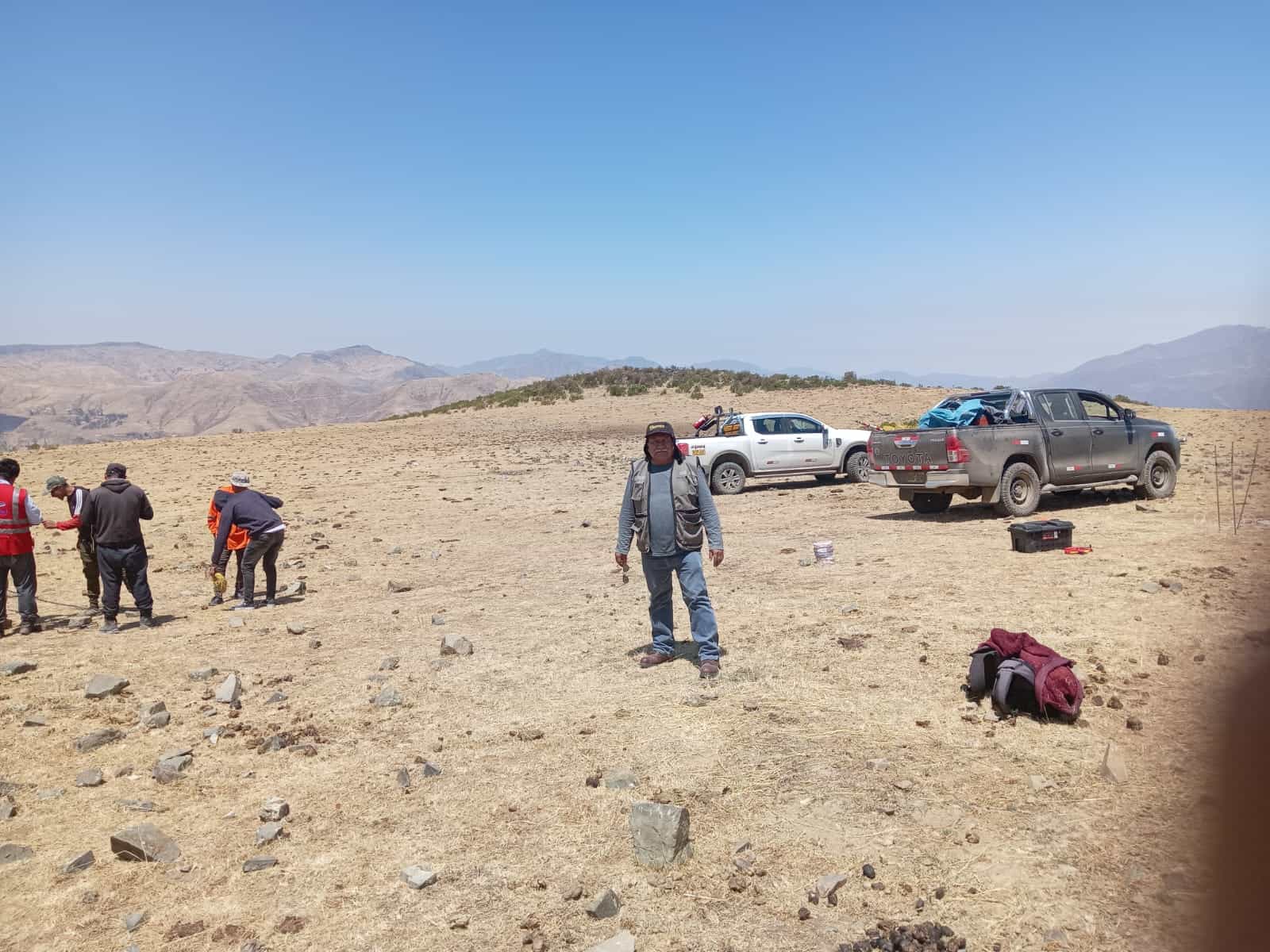
Our assets sit in settings where mining sits alongside agriculture, pasture and settlement that long precede it. Engagement begins at the earliest stage of work and continues for the life of the activity and through its closure.
Our approachIn this section


Raising a concern
Employees, suppliers, communities and any other party may raise a concern through the confidential reporting channels. We provide for anonymous reporting, and we do not tolerate retaliation against a person who raises a concern in good faith.